

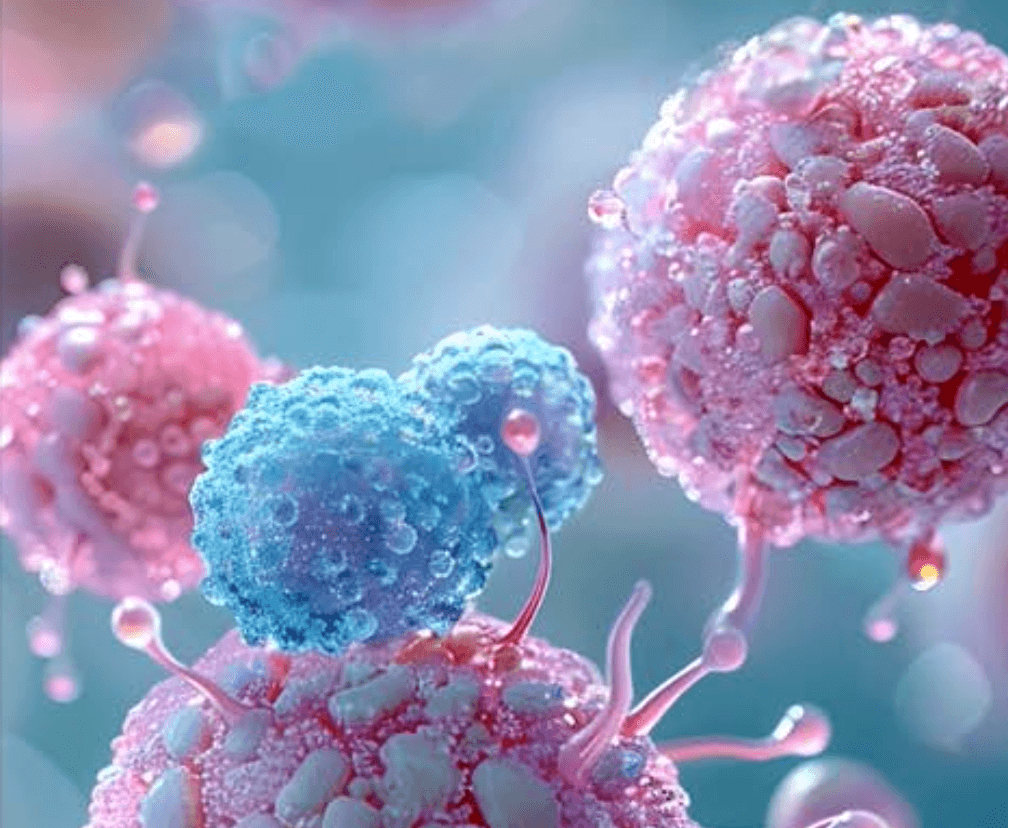
Autoimmune illness
Why autoimmune diseases occur
Our immune system
Our immune system is a true wonder. Composed of tissues, organs and cells, it protects us around the clock from harmful microorganisms such as bacteria, viruses and fungi. It also recognizes abnormal cells and can prevent the early development of some cancers.
Our immune system is able to learn and adapt. In addition to innate defense, there is also the acquired immune system. Our first line of defense is to keep foreign bodies away through barriers such as the skin, mucous membranes, lungs, and intestines. If these barriers fail, Plan B comes into action, which renders pathogens harmless.
In the case of recurrent infections, the immune system has antibodies ready. T lymphocytes recognize specific antigens on infected cells, while B lymphocytes produce antibodies that mark invaders and facilitate their destruction.
One of the strengths of our immune system is its ability to recognize the body's own tissues from those from outside that might be harmful. It is precisely this ability to differentiate that, in people with autoimmune diseases, is impaired. In such cases, the body's defense system is misdirected and reacts as if it had developed a kind of allergy against itself.
In autoimmune reactions, the immune system attacks its own body. It produces autoantibodies that cause inflammation in tissues and often lead to chronic disease, as well as tissue and organ damage.
Types of autoimmune diseases
There are two main types of autoimmune diseases, many of which are considered incurable. The precise causes and mechanisms underlying these conditions are still not fully understood by conventional medicine. As a result, the primary treatment approach often focuses on reducing symptoms.

Specific to the organ
In this case, immune system malfunction affects specific organs or organ systems of the body. Often, the pancreas, organs of the digestive tract, or the thyroid gland are involved.
Not specific to the organ
There are also non-organ-specific, or systemic, autoimmune diseases. These affect various organs and tissues in different parts of the body. Not all patients can be easily classified; in fact, many forms are transient or have mixed features.
Statistics indicate that about 5-8% of the world's population suffers from about 80-100 different autoimmune diseases. In addition, about 80% of those affected are women.
The most common autoimmune diseases
Hashimoto's thyroiditis
A chronic inflammatory disease of the thyroid gland that leads, over time, to an underactive thyroid with reduced hormone release.
The potential of biological medicine
The causes of autoimmune diseases are still not fully understood, but factors such as genetic predisposition, viral infections, hormonal fluctuations, lifestyle, and environmental toxins are believed to play a crucial role. Individuals vary in their genetic makeup and their reactions to stress, including during detoxification. When the body's ability to eliminate toxins is compromised, these toxins can trigger inflammation—for example, in the thyroid gland.
A key factor is the combination of genetic predisposition and toxic stress, which can weaken the immune system. For instance, reactivated viruses in the thyroid gland may trigger Hashimoto's thyroiditis, leading to tissue destruction. In autoimmune diseases, antibodies are produced against the affected organs, though their effects are often mitigated by medication.
However, the fundamental issue lies in understanding the root causes: we need to explore the biological processes involved such as gut health deterioration and the development of harmful antibodies in order to effectively address the underlying problems.
Gluten and glyphosate
Gluten and glyphosate can trigger intestinal inflammation. When the intestinal barrier becomes permeable, toxins from bacteria, viruses, parasites, and hydrogen sulfide can enter the system, stimulating the formation of antibodies. This leads to a constant state of alert in the immune system.
Many individuals are unaware that they suffer from closed bowel syndrome, as digestion continues to function normally. However, the immune system remains on constant high alert, which can cause damage to the thyroid gland, blood vessels, or lead to autoimmune diseases such as psoriasis.
While conventional medicine often relies on anti-inflammatory agents, biological medicine emphasizes early treatment and holistic approaches, aiming to intervene before the condition worsens.
Vitamin D - Coimbra protocol
As of 2018, I am also a certified Coimbra Protocol physician. This approach is based on the findings of Brazilian physician Dr. Cícero G. Coimbra, who in 2002 demonstrated that high doses of vitamin D (starting at 20,000 IU per day) can halt autoimmune skin diseases. In 2009, he developed an effective therapy with no side effects, known as the Coimbra Protocol.
In our clinic, we also intentionally work with a naturopath specializing in psychotherapy who has multiple sclerosis and has been treated with the Coimbra Protocol since 2016. She supports our patients with advice on nutrition, exercise, and stress management.
Currently, approximately 140 certified physicians worldwide treat more than 30,000 patients annually with personalized vitamin D dosing. These therapies are often complemented by infusions and other procedures tailored to individual needs.
Examination of the intestinal environment
In biological diagnostics, we analyze a stool sample, specifically measuring secretory immunoglobulin A (IgA). This value indicates the functioning of the intestinal immune system, which accounts for about 80% of our immune defenses. While more than half of people with IgA deficiency have no symptoms, a weakened intestinal immune system can increase the risk of infections and may contribute to the development of chronic intestinal diseases or celiac disease.
In cases of more extensive abnormalities, we refer to this as “leaky gut” syndrome, where the intestinal barrier of the small intestine becomes compromised. As a result, pathogens, toxins, and undigested particles can enter the bloodstream, potentially triggering a range of health issues.
Multiple treatment strategies
Some people with autoimmune diseases lose hope due to lengthy diagnoses and treatments that primarily target symptoms. Biological medicine offers an opportunity in this regard, as it adopts a holistic view of the individual and aims to address the root causes of the disease.
Although there has been limited specific research on autoimmune diseases, this situation presents an opportunity to develop personalized treatment approaches. Many biological physicians are open and motivated to tackle these challenges.
FAQ's
How is autoimmune disease treated in the clinic?
There is no generalised treatment for autoimmune disease. Therefore, treatment is individualised and depends on the specific needs of the patient.
How can I make an appointment at the Swiss Mountain Clinic?
You can easily register via this link or contact us by phone at +41 91 820 4040.
What costs should I expect?
The cost can vary depending on individual needs and the extent of the treatment. You are welcome to request a quote.
Where is the Swiss Mountain Clinic located?
We are located in the Swiss Alps in the historic village of Castaneda. Our clinic is the perfect place to find peace and rejuvenate. You can easily reach us by public transportation.
Take the train to Bellinzona and change there to the bus to Castaneda. Alternatively, you can also call us and we will be happy to organize a cab for you - also from Bellinzona.
Have previous patients reported on their experiences with the clinic?
You are welcome to read feedback from other patients here.
Still have a question?
Call our team or send us a request.